
How we work
How we hire, check and supervise the caregiver in your parent’s house
Anybody can promise good care on a website. This page is the sequence underneath it: what has to be finished before a caregiver is placed, what happens on every single visit, what keeps happening once care is running, and what happens on the morning somebody cannot come.
Before the first shift
Nobody is placed in a house before these are finished
You are letting a stranger into your mother’s home, usually on a week when you have no spare energy to vet anybody. So the vetting happens before you ever meet them, and it happens in this order.
-
A full background check
Every caregiver is background checked before they are placed with a family. Not after the first week, and not once the paperwork catches up. Before.
-
Competency proved to a nurse, first Before the first shift
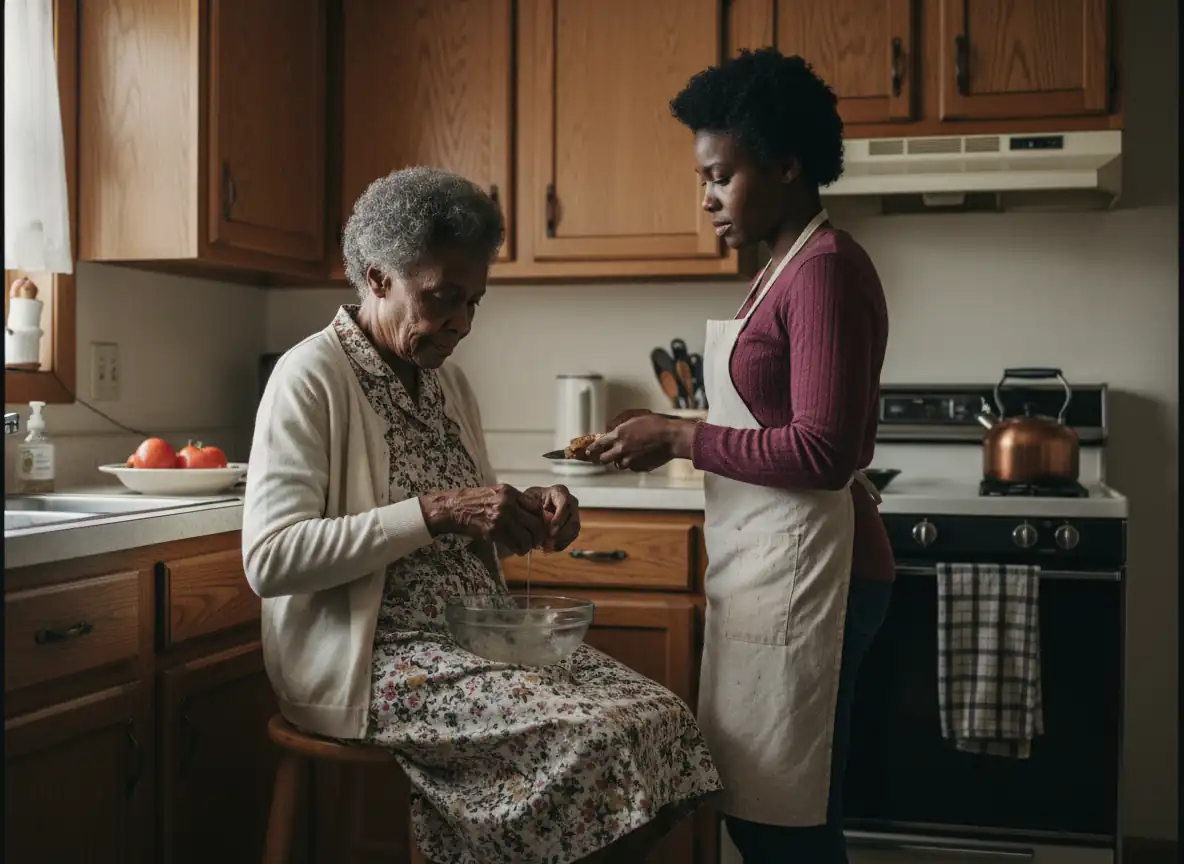
North Carolina sets no statewide clock-hour requirement for an in-home aide. It requires demonstrated competency instead, and a registered nurse verifies it by watching the work. Ours is finished before the first shift, not picked up on the job while your father waits to be helped out of bed.
-
Skill development that keeps going
Training is not a hurdle cleared once at hiring and then forgotten. Caregivers keep developing while they work with us, which is what dementia and mobility needs demand as they change.
On every visit
Electronic visit verification, on every single visit
Every caregiver clocks in electronically when they arrive and clocks out when they leave. It is called electronic visit verification, EVV for short, and it runs on every visit we do. There is no version of a shift that is not recorded.
It matters for one plain reason. When you live two hours away, or three states away, the question “was somebody actually there on Tuesday morning” otherwise has no answer except a memory. With EVV it has a record, and the record was not written by the person being asked about.
It also means a missed visit surfaces quickly on our side, instead of being discovered by you at the weekend when your mother mentions it in passing.
Once care is under way
The care you get in week nine is the real test
Starting well is easy. Almost everything that goes wrong in home care goes wrong quietly, months in, once nobody is checking any more. These four are how we keep looking after the first fortnight is over.
-
Continuous supervision and evaluation
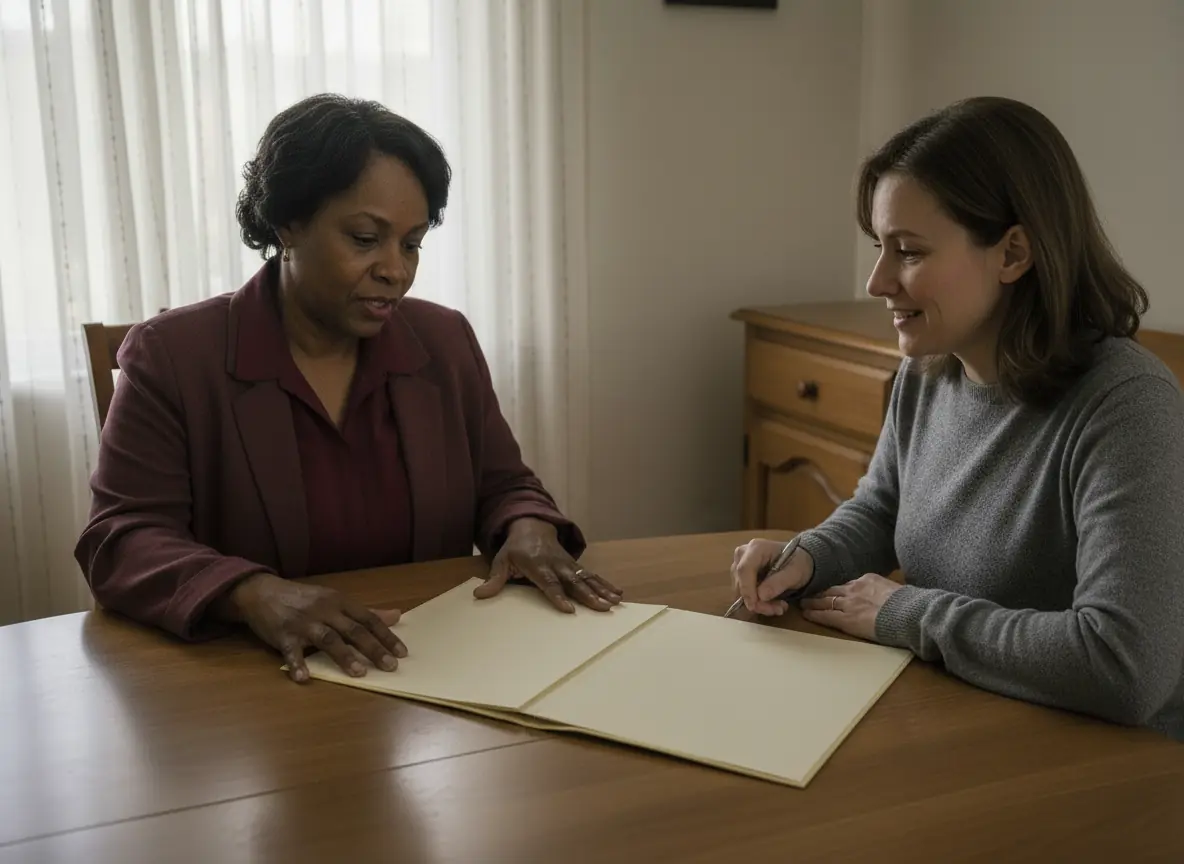
Caregivers are supervised and evaluated on an ongoing basis. Somebody other than the caregiver is responsible for how the work is actually going, which is the whole difference between an agency and a stranger you found online.
-
Care plan reviews as needs change
The plan written at the assessment describes the person your parent was that week. Needs move. When they do, the plan is reviewed and changed with them, rather than being left to describe somebody who no longer exists.
-
Family check-ins
We come back to you and ask how it is going, in plain words, instead of waiting for you to work up the nerve to complain. Small things said early are the ones that never become the reason a family leaves.
-
Satisfaction assessments On the record
We ask formally as well as informally, so the answer sits on a record rather than in one phone call that somebody half remembers. It is also how a pattern shows up before it becomes a problem.

When a shift cannot be covered
Somebody still comes
Caregivers get sick. Cars break down. People have emergencies in their own families. This happens at every agency in the country, and the honest thing to say about it is that it will happen to you at some point too. The part that is worth asking about is what happens next.
When a scheduled caregiver cannot make a shift, we arrange a backup caregiver. Your mother is not sitting in a chair at seven in the morning wondering whether anybody is coming, and you are not taking a morning off work to drive over and find out.
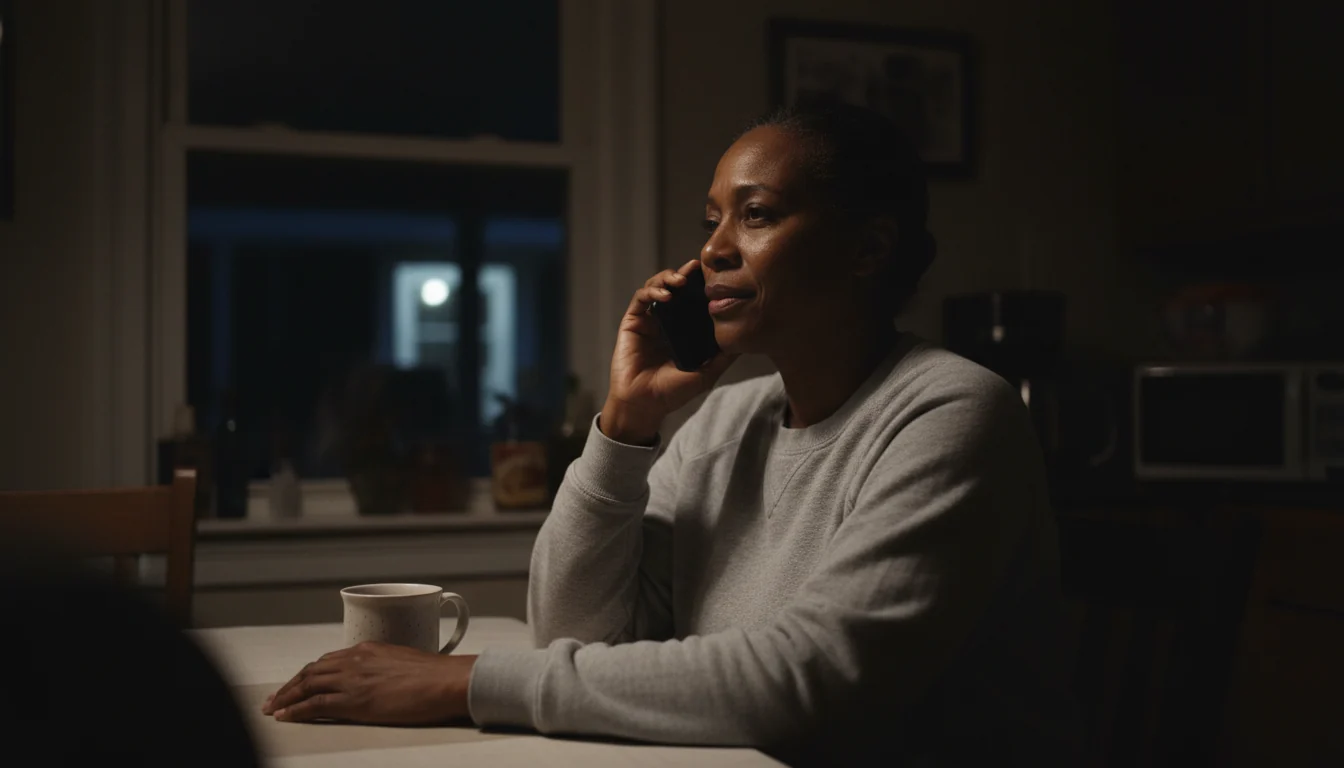
The phone is answered 24/7 as well, including nights, weekends and holidays. The call about tonight does not have to wait until Monday, which is the hour most families actually need somebody to pick up.

Getting started
Four steps, and the first one is a phone call
Nothing is decided until you have the hours, the tasks and the cost in writing. You are allowed to stop at any of these four.
You call
(877) 652-2907, at any hour. A real person picks up and starts getting the details down. You do not need to know which service you want.
A free assessment
In your parent’s home, which is where North Carolina requires the first one to happen, and it is easier. It costs nothing, and there is no cost if you decide at the end of it to do nothing.
A personalized care plan
Written for your parent, not lifted off a shelf. The hours, the tasks, who does what, and the cost, before you agree to anything.
We match a caregiver
Usually within 24 to 72 hours, matched to what the plan actually asks for rather than to whoever happens to be free.
When you are ready
Ask us anything on this page
If something here matters to you, ask about it on the call and we will answer it straight. Or skip the form and call (877) 652-2907 right now, because somebody is awake.

The Family Care Guide
Free, plain English, no jargon. What to ask, what care costs in North Carolina, and how to know when it is time.
Read the guide